Peak Climbing

Step into a world where snow-draped summits pierce the sky and ancient trails wind through high-altitude landscapes. Peak climbing in Nepal is more than a physical ascent — it’s a journey into the heart of the Himalayas, where every step brings you closer to nature’s raw grandeur.
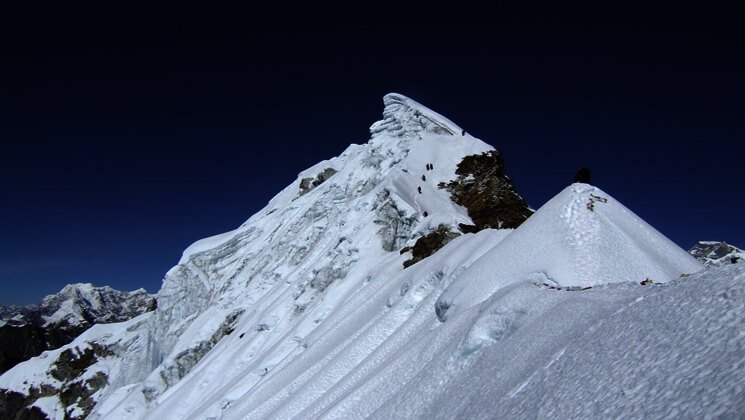
Traverse through remote alpine meadows, glaciers, and rugged ridgelines that lead to majestic peaks like Island Peak, Mera Peak, and Lobuche East. These are more than just mountains — they are gateways to a realm where adventure meets serenity.
Along the way, encounter traditional Sherpa villages, Buddhist monasteries draped in prayer flags, and time-honored cultures rooted in resilience and spiritual depth. The quiet strength of the people and the awe-inspiring beauty of the terrain make every climb unforgettable.
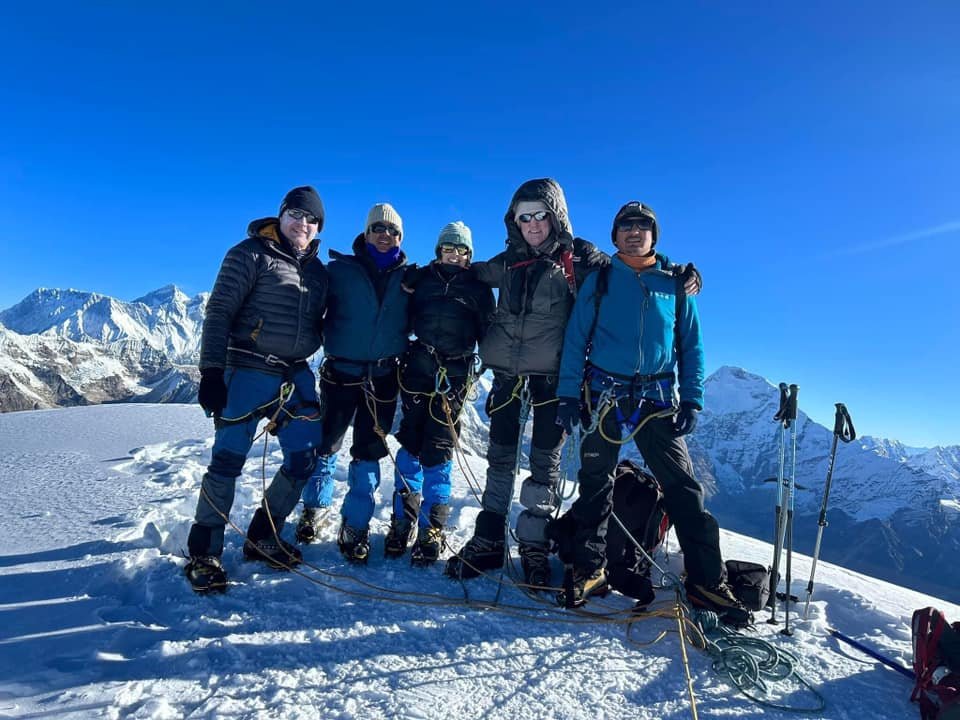
Whether you’re a seasoned mountaineer or a passionate trekker ready to take your next big step, Nepal offers some of the world’s most accessible and rewarding climbing experiences — all beneath the shadow of Everest and her sister peaks.
Start planning your trip
Chat with a local specialist who can help organize your trip.

Featured Regions

From the peaks to the rivers, the jungle to the trails — discover unforgettable experiences for every kind of explorer.
Mera Peak Climbing
Mera Peak (6,476m / 21,247 ft) is the highest trekking peak in Nepal, located in the Khumbu (Everest) region. Popular among adventure seekers, the climb offers breathtaking views of Everest, Lhotse, Cho Oyu, Makalu, and Kanchenjunga. While physically demanding due to altitude, the ascent is non-technical and suitable for trekkers with basic mountaineering skills. This 17-day itinerary combines trekking through remote valleys, acclimatization in Sherpa villages, and a rewarding summit climb.
Island Peak climbing
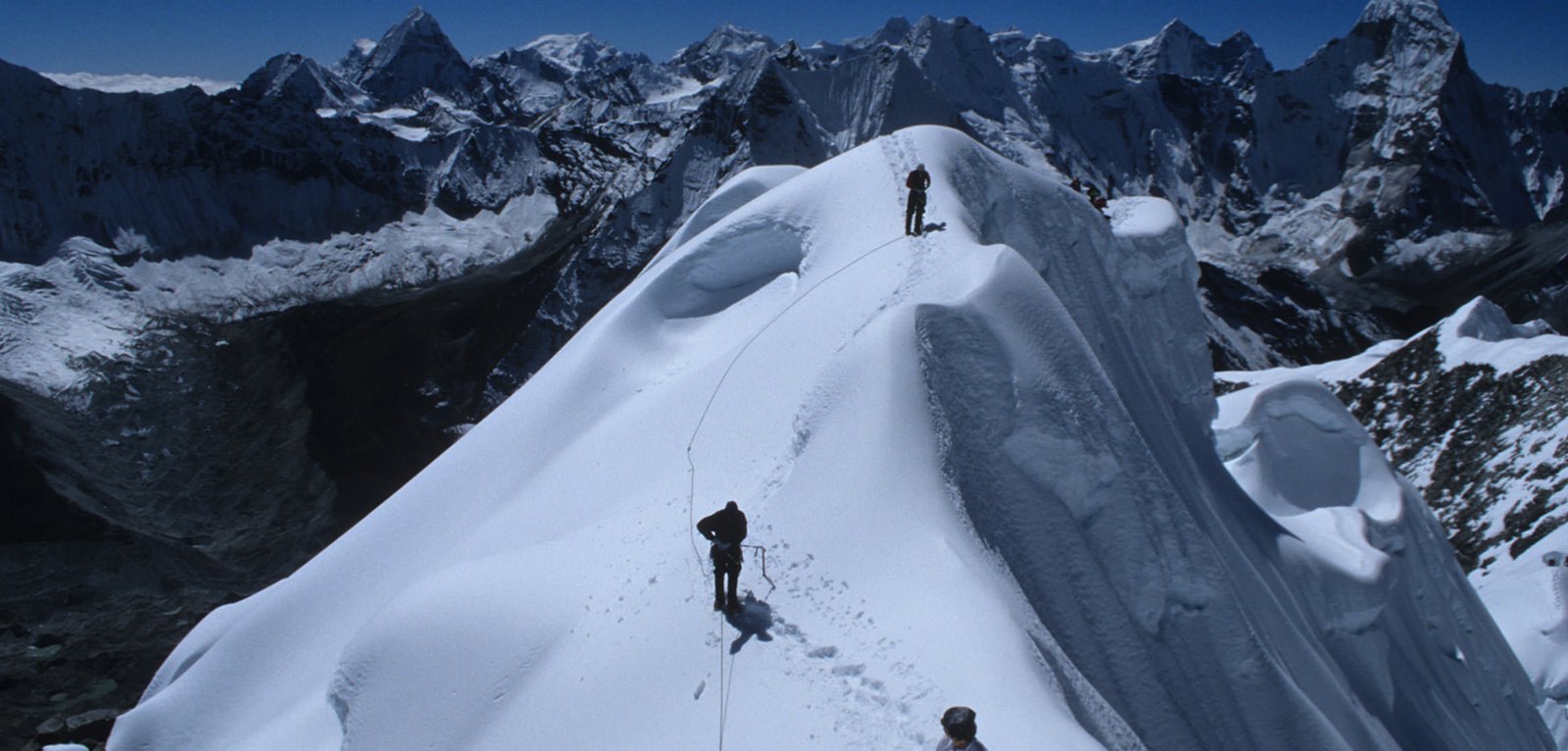
Island Peak climbing is a popular Himalayan adventure in Nepal designed for energetic and physically fit trekkers, even those with little or no mountaineering experience. Island Peak (6,189 m/20,305 ft), known locally as Imja Tse, is a striking peak in the Everest region with a highly glaciated west face rising from the Lhotse Glacier. It is considered one of the trekking peaks with minimal technical difficulty, making it suitable for beginners wishing to enter the world of mountaineering. Hundreds of climbers visit Nepal each year to obtain a permit for Island Peak climbing.
Lobuche Peak Climbing
Lobuche lies close to the Khumbu Glacier and has two main peaks, Lobuche Far East and Lobuche East. At 6,145 meters, Lobuche East is 26 meters higher. Although the Lobuche East climb is a bit more challenging than Island Peak climb, it is equally rewarding. From the peak, you get amazing views of Everest alongside Lhotse, Nuptse, Ama Dablam, and Pumori. The 19-day Lobuche East Peak Climbing with Everest Base Camp Trek combines Lobuche East Peak climbing with the classic Everest Trek. The trip will also take you to some of the most popular places in the Everest region like Kala Pathar, which provides an excellent view of Everest along with other high mountains.
Ama Dablam
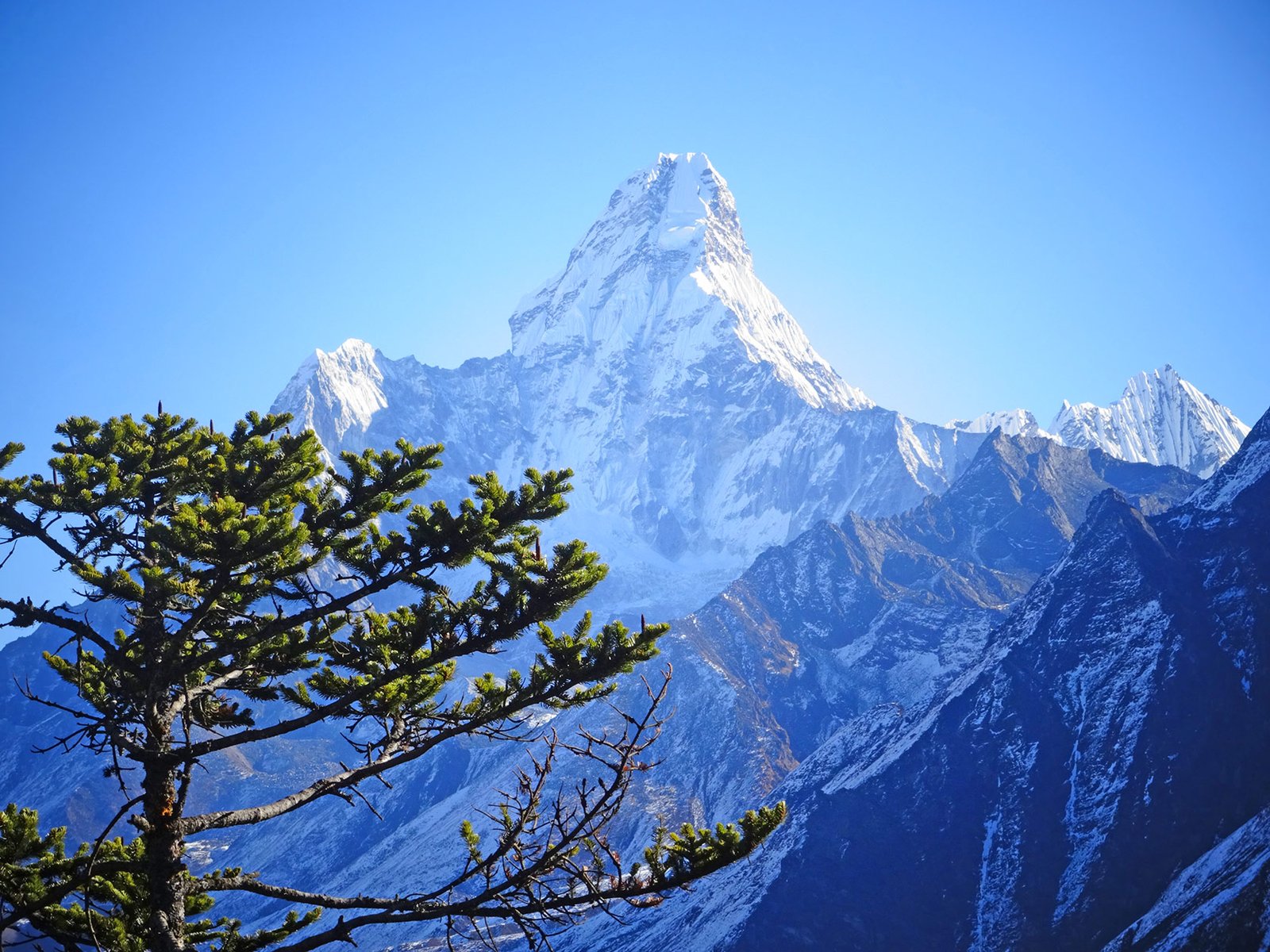
Ama Dablam, popularly known as the “Matterhorn of the Himalaya” is one of the most gorgeous mountains in the world located in the Himalayan range of Eastern Nepal. Ama Dablam characterizes itself with its unique pyramid shape. The hanging glacier seen on the southwest face of Ama Dablam bears a resemblance to the sacred ornament box used by Sherpa Women, which is known as Dablam, therefore giving it a name as “Ama Dablam” This peak is 6,812 meters in elevation from the sea level. This mountain is not impressive for its height but for its aesthetics it holds. Mt. Ama Dablam is located in the Khumbu region of Nepal, south of Mt. Everest. One should see some splendid views during the ascent to the pinnacle.