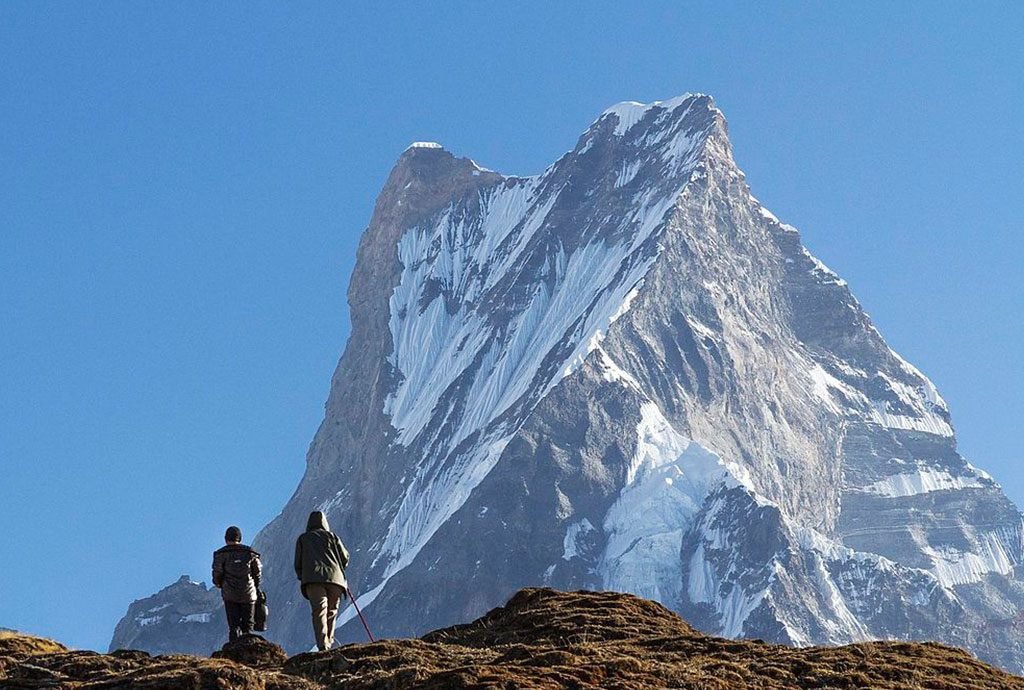
The Mardi Himal Trek reveals one of Nepal’s newest and most peaceful trails, delivering dramatic mountain vistas, vibrant forests, and authentic Gurung village culture. This 11-day journey winds from Pokhara’s lakeshore to high Himalayan ridges, culminating at Mardi Himal Base Camp beneath towering Machapuchare and Annapurna.
Fast Facts
- Duration: 11 days, with tea house stops and rural village immersion.
- Maximum Elevation: Mardi Himal Base Camp (4,500m).
- Best Seasons: Spring and Autumn—clear skies, blooming rhododendrons.
- Trail Highlights: Oak, maple, and rhododendron forests, panoramic viewpoints, close-up views of Machhapuchhre (Fishtail), Annapurna South, Hiunchuli.
Expanded 11-Day Mardi Himal Trek Itinerary
- Day 1: Arrive Kathmandu – Land in Nepal’s capital and transfer to your hotel. Explore Thamel’s vibrant streets, stock up on trekking gear, and join a group briefing for route details and mountain safety. Enjoy a Nepali welcome dinner and soak in the bustling energy of the city.
- Day 2: Travel to Pokhara – Take a short flight or scenic drive to Pokhara, Nepal’s lake city and main trekking gateway. Spend the afternoon boating on Phewa Lake, admiring stunning Annapurna views, and preparing for the trek ahead. Overnight in a cozy lakeside guesthouse.
- Day 3: Pokhara to Kande, trek to Deurali (2,100m) – Drive an hour to the trailhead at Kande village. Begin the trek through terraced farms, entering lush rhododendron and oak forests. Stop at Australian Camp for sweeping vistas of Annapurna and Machhapuchhre before reaching the peaceful village of Deurali, known for its rustic stone lodges and scenic mountain views.
- Day 4: Deurali to Forest Camp (2,520m) – Trek deeper into mossy, flower-filled woodlands vibrant with birdsong, including the iconic Himalayan Monal. Forest Camp, nestled in a quiet, serene setting, offers a true wilderness feel and comfortable lodges for an authentic Himalayan night.
- Day 5: Forest Camp to Low Camp (2,970m) – Ascend through mist-shrouded forest into alpine terrain where spectacular views of Machhapuchhre start to emerge. Low Camp is a charming rest point with welcoming teahouses, perfect for relaxing after the day’s climb.
- Day 6: Low Camp to Badal Danda (Cloud Hill) – Enjoy ridge walking above the treeline with dramatic cloud formations drifting through the valleys. The ever-changing views reveal a magical blend of valley below and sharp mountain peaks above, offering a chance for peaceful reflection far from crowds.
- Day 7: Badal Danda to High Camp (3,580m) – Continue along ridges offering spectacular panoramic mountain theaters. High Camp’s clear skies provide stunning sunsets and sunrises, often framing Machhapuchhre and Annapurna’s jagged profiles in crisp light.
- Day 8: High Camp to Mardi Himal Base Camp (4,500m), return to High Camp – Begin before dawn for the final climb to Mardi Himal Base Camp. Above the treeline, the world opens to views of Annapurna South, Hiunchuli, and Machhapuchhre up close. After soaking in the alpine grandeur, return to High Camp for a warm breakfast and rest.
- Day 9: High Camp to Sidhing Village (1,750m) – Descend along quieter trails through deep forests, terraced fields, and traditional villages. Sidhing offers a window into rural Nepali life with opportunities to meet friendly locals and enjoy fresh mountain air.
- Day 10: Sidhing to Pokhara – Take a morning drive back to Pokhara. Spend the afternoon celebrating the trek’s conclusion with lakeside relaxation, lively cafés, and reflection on your Himalayan adventure.
- Day 11: Departure from Pokhara or Kathmandu – Enjoy your final mountain views and farewells before onward travel. Many opt to extend their stay to explore nearby waterfalls, day hikes, or cultural sites.
Top Highlights & Tips
- Mardi Himal Trek offers solitude with quiet trails, abundant birdlife, and very few crowds.
- Spring is ideal for rhododendron blooms; autumn provides the clearest views and crisp mountain air.
- Hiring a local guide enriches the experience with cultural stories and ensures safety.
- Pack layers for temperature changes and bring reusable water bottles to minimize plastic waste.