Overview
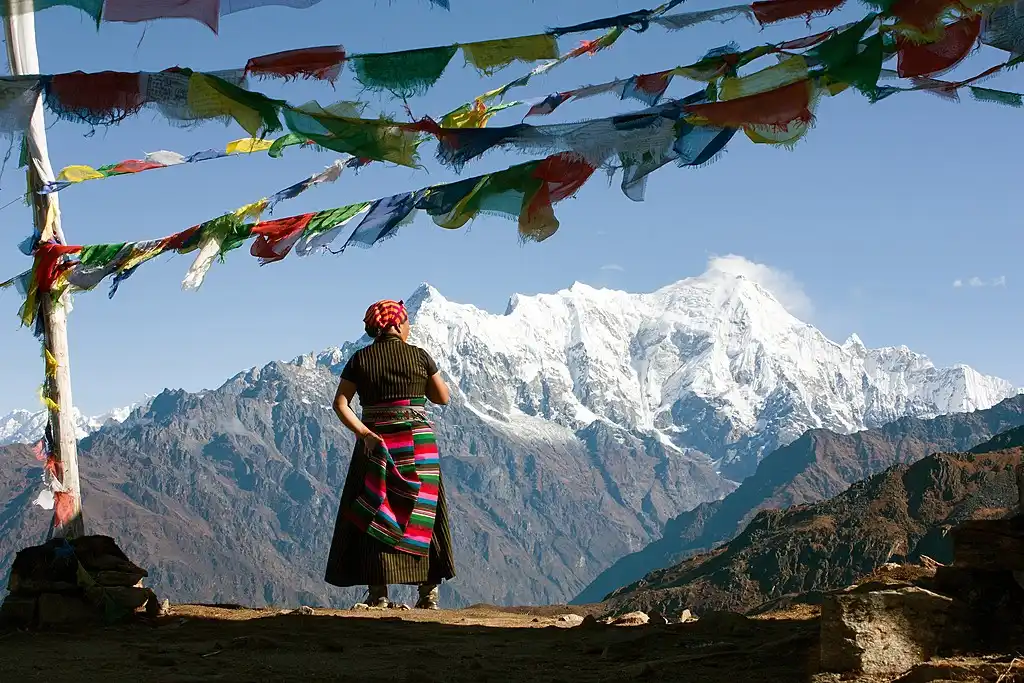
Tsum Valley is a remote and untouched area, opened for trekking in 2007, located in the Gorkha district of Nepal. The valley stretches across altitudes from 1,900 m to 5,090 m at Ngula Dhojyang pass. It offers spectacular Himalayan landscapes, rich biodiversity, and visits to traditional villages such as Chumche and Chhekampar, some of the most remote in Nepal. The area bears cultural significance with Tibetan origins, and local folklore speaks of the mysterious Yeti. This trek is a fully organized camping expedition.
Trip Includes
- International arrival and departure transfers by private vehicle.
- Road transfer from Kathmandu to Soti Khola and from Dharapani to Kathmandu.
- Required permits: trekking, ACAP, MCAP, and National Park fees.
- 18 nights accommodation in tents during the trek.
- Meals: Breakfast, lunch, and dinner throughout the trek.
- Experienced English-speaking guide and porter.
- Equipment, salaries, and insurance for staff.
- Use of kitbags (duffle bags).
- Applicable government taxes.
Trip Excludes
- International flights and Nepal visa fees.
- Accommodations and meals in Kathmandu.
- Soft drinks and alcoholic beverages.
- Entrances to heritage and cultural sites like monasteries and museums.
- Personal trekking gear and equipment.
- Travel insurance and emergency evacuation costs.
- Personal expenses such as phone calls, WiFi, laundry, showers, and tips.
- Other services not listed above.
Note: Traveling in high-altitude Himalayan regions like Everest requires careful preparation due to risks associated with altitude sickness and extreme weather conditions.
Itinerary Details
Day 1: Arrival in Kathmandu
Upon arrival at Tribhuvan International Airport, you will be warmly welcomed by our team and transferred to your hotel. After some rest, you will meet your trekking guide who will provide a detailed briefing about the journey ahead. The evening is free for leisure or a short walk around the vibrant streets of Thamel. Overnight in Kathmandu.
Day 2: Explore Kathmandu at Leisure
Today is a relaxed day in Kathmandu to prepare for the trek and explore the cultural heart of the city. You may visit UNESCO World Heritage Sites such as Swayambhunath (Monkey Temple), Boudhanath Stupa, and Pashupatinath Temple. The bustling markets and courtyards of Kathmandu offer a glimpse of local life. Your trekking permits will be finalized today. Overnight in Kathmandu.
Day 3: Drive to Soti Khola (8–10 hours)
A long but scenic drive from Kathmandu takes you through winding mountain roads, lush green hillsides, and river valleys. You will pass small villages, terraced farmlands, and enjoy distant views of the Himalayas. By evening, you reach Soti Khola, a small settlement beside the Budhi Gandaki River, the starting point of your trek. Overnight in Soti Khola.
Day 4: Trek Soti Khola to Machha Khola (6–7 hours)
The trail follows the Budhi Gandaki River, crossing through forests, waterfalls, and suspension bridges. You will climb rocky paths and walk through Gurung villages before reaching Machha Khola, named after the nearby “Fish River.” This area is rich in biodiversity and offers the first taste of rural Himalayan life. Overnight in Machha Khola.
Day 5: Trek to Jagat (6–7 hours)
Today’s trek involves a series of ups and downs, passing hot springs, small farms, and charming villages. You will walk along narrow ridges overlooking the Budhi Gandaki River before finally reaching Jagat, a Tibetan-influenced village with stone houses and mani walls. Jagat marks the entry point to the restricted Manaslu Conservation Area. Overnight in Jagat.
Day 6: Trek to Philim (5–6 hours)
The trail continues through stone-paved paths, terraced hillsides, and pine forests. You will pass Buddhist villages where prayer flags and mani stones highlight the Tibetan cultural influence. Philim is a relatively larger settlement with a school supported by the Japanese government and excellent mountain views. Overnight in Philim.
Day 7: Trek to Chumling (7 hours)
A long day of trekking through dense forests and high pastures brings you to Chumling, the gateway to Tsum Valley. You will cross wooden bridges and enjoy magnificent views of Ganesh Himal. Chumling is a traditional Tibetan village where houses are built with stone and wood, and locals wear traditional attire. Overnight in Chumling.
Day 8: Trek to Chhokangparo (5–6 hours)
The trail ascends through cultivated fields, mani walls, and monasteries. The air gets cooler as you climb higher into Tsum Valley. Chhokangparo is located at 3,010 meters and offers panoramic views of Himalchuli and Ganesh Himal. The village reflects deep-rooted Tibetan Buddhist culture. Overnight in Chhokangparo.
Day 9: Trek to Nile (6–7 hours)
Trekking further north, you will pass villages and religious sites decorated with colorful prayer flags. Today’s highlight is a visit to Milarepa’s Cave, where the famous Tibetan saint is said to have meditated. Reaching Nile, you’ll find a cluster of stone houses surrounded by barley and potato fields. Overnight in Nile.
Day 10: Trek to Mu Gompa (6–7 hours)
A gradual ascent takes you to Mu Gompa, the highest point of Tsum Valley at around 3,700 meters. This historic monastery sits in a dramatic setting, surrounded by snow-capped mountains and vast Himalayan landscapes. The gompa houses centuries-old scriptures and artifacts, and monks live here year-round despite the harsh climate. Overnight near Mu Gompa.
Day 11: Trek to Gumba Lungdang (5–6 hours)
Descend slightly and make your way towards Gumba Lungdang, another important monastery known for its spiritual atmosphere. The trail passes through alpine meadows and juniper forests. Women monks (nuns) reside here, and visitors often participate in evening prayers. Ganesh Himal appears especially striking from this area. Overnight at Gumba Lungdang.
Day 12: Trek to Lokpa (7–8 hours)
Retracing your path, you descend gradually through villages and forests. Along the way, you will pass monasteries, mani walls, and herder settlements. Lokpa is a small village that acts as a junction between Tsum Valley and the main Manaslu Circuit trail. Overnight in Lokpa.
Day 13: Trek to Ghap (7–8 hours)
From Lokpa, the trail follows the Budhi Gandaki River once again. You will trek through pine forests, cross suspension bridges, and pass charming villages like Deng. Ghap is culturally rich, adorned with carved mani stones and local art. Overnight in Ghap.
Day 14: Trek to Lho (5–6 hours)
Today’s trek climbs gradually through fields of barley and alpine forests. Along the way, you may encounter herders with yaks and enjoy views of Manaslu and Himalchuli. Lho village is famous for its large monastery, Ribung Gompa, and offers excellent sunset views over the peaks. Overnight in Lho.
Day 15: Trek to Samagaon (4–5 hours)
A shorter trekking day with a gradual ascent to Samagaon, one of the largest and most important villages of the Manaslu region. The village is surrounded by potato and barley fields and has traditional Tibetan houses. The nearby Pungyen Gompa and views of Mount Manaslu dominate the scenery. Overnight in Samagaon.
Day 16: Acclimatization in Samagaon
A full day to acclimatize and rest at Samagaon. You can hike to Birendra Lake, a beautiful glacial lake at the base of Manaslu Glacier, or visit the Pungyen Gompa for cultural immersion. This rest day helps you adapt to the high altitude before crossing the Larkya La pass. Overnight in Samagaon.
Day 17: Trek to Samdo (4 hours)
A relatively easy trek leads to Samdo, a Tibetan refugee village located near the Tibetan border. The trail offers wide Himalayan panoramas and a chance to observe yak caravans and mountain wildlife. Samdo is one of the last permanent settlements before the high pass. Overnight in Samdo.
Day 18: Trek to Dharamsala (4–5 hours)
The trek ascends steadily towards Dharamsala, also known as Larkya Phedi. The high-altitude settlement consists mainly of basic lodges for trekkers preparing to cross the pass. Views of the Larkya Glacier and surrounding peaks dominate the landscape. Overnight in Dharamsala.
Day 19: Cross Larkya La Pass (5,106m) and Trek to Bimthang (7–9 hours)
Today is the most challenging but rewarding part of the trek. An early morning start takes you up to Larkya La Pass (5,106 m), where you are rewarded with breathtaking views of Himlung Himal, Kang Guru, and Annapurna II. After spending some time at the pass, descend carefully over glacial moraine to Bimthang, set in a beautiful alpine valley. Overnight in Bimthang.
Day 20: Trek to Dharapani (6–7 hours)
A long descent through rhododendron forests and small Gurung villages takes you to Dharapani, where the Tsum Valley and Manaslu Circuit trails merge into the Annapurna Circuit. The scenery gradually shifts from alpine to subtropical as you lose altitude. Overnight in Dharapani.
Day 21: Drive back to Kathmandu (6–7 hours)
After breakfast, take a scenic drive back to Kathmandu along winding mountain roads, with stops for lunch and tea along the way. By evening, you will reach your hotel in Kathmandu, where you can celebrate the successful completion of your trek with a farewell dinner. Overnight in Kathmandu.
Day 22: Final Departure
Depending on your flight schedule, you will be transferred to Tribhuvan International Airport for your onward journey. Our team will bid you farewell, marking the end of your adventure in the Tsum Valley and Manaslu region. End of Services.